

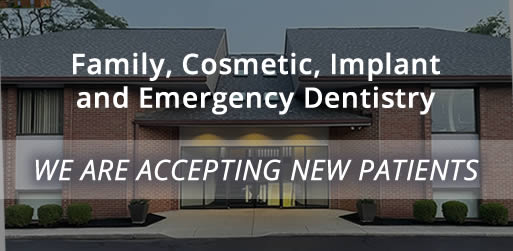
Family, Cosmetic, Implant, and Emergency Dentistry
Welcome to our practice
We are committed to providing our patients with compassionate and professional dental care of the highest standards in a comfortable and relaxed environment. We utilize the most current dental technologies and techniques to help you achieve a smile that you can be proud of. At our practice, you will receive individualized treatment based on a careful diagnosis of your dental health.
Meet The Dentists
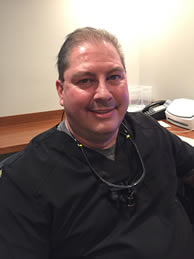
Marcel Daneault Jr., DDS
Dr. Daneault graduated from The Ohio State University College of Dentistry and he completed his post-graduate work in the Advanced General Dentistry (AGD) residency program, where he served as Chief Resident. He continued as a part-time clinical faculty instructor in the AGD program for ten years, and he has worked in private practice since 2003.
.
Cosmetic Dentistry
If you want to revitalize your smile, our skilled dentists can craft a gorgeous image courtesy of modern cosmetic dentistry.
.
Dental Implants
Restore the function and vitality of your smile with implant dentistry. Designed to mimic your natural teeth, implants will close gaps and create lasting beauty.
.
Invisalign
For image-conscious adults and older teens, Invisalign clear aligners allow you to achieve a flawless smile without the hassle and embarrassment of metal brackets.
.
Teeth Whitening
Turn up the wattage on your pearly whites with professional teeth whitening. You can look years younger and feel better than ever.
Give us a call and find out why patients love us! 614-866-5966

WHAT OUR PATIENTS ARE SAYING
OUR DENTAL BLOG
Natural Teeth Whitening Remedies
Read More about Natural Teeth Whitening Remedies
What Constitutes a Dental Emergency?
Read More about What Constitutes a Dental Emergency?
Teeth Whitening Options
Read More about Teeth Whitening Options
Why Adults Should Choose Invisalign to Straighten Teeth
Read More about Why Adults Should Choose Invisalign to Straighten Teeth